As life evolves, so do our needs. Maybe you’re working from home more often, your family is growing, or you simply crave a more functional space. While moving might seem like the obvious solution, sometimes the smartest choice is to stay put and adapt your current home to fit your changing lifestyle.
With thoughtful planning and strategic remodeling, you can transform your existing space into one that meets your new needs—without the stress and cost of relocating. Here’s how:
1. Create Multi-Functional Spaces
Maximize every room by giving it more than one purpose. A guest bedroom can double as a home office. The dining area can incorporate storage for craft supplies or schoolwork. Use flexible furniture like fold-out desks, storage ottomans, or sleeper sofas to make spaces work harder.
2. Convert Underused Areas
Take a fresh look at spaces that often go unused—like basements, attics, or even large hallways. These can be turned into playrooms, workout areas, extra bedrooms, or quiet reading nooks. A little creativity and renovation can unlock their hidden potential.
3. Open Up the Floor Plan
If your home feels cramped or segmented, consider knocking down non-load-bearing walls to create a more open and airy layout. An open-concept design can make the home feel larger and allow for better interaction between spaces—perfect for families or frequent hosts.
4. Add Storage Where You Need It Most
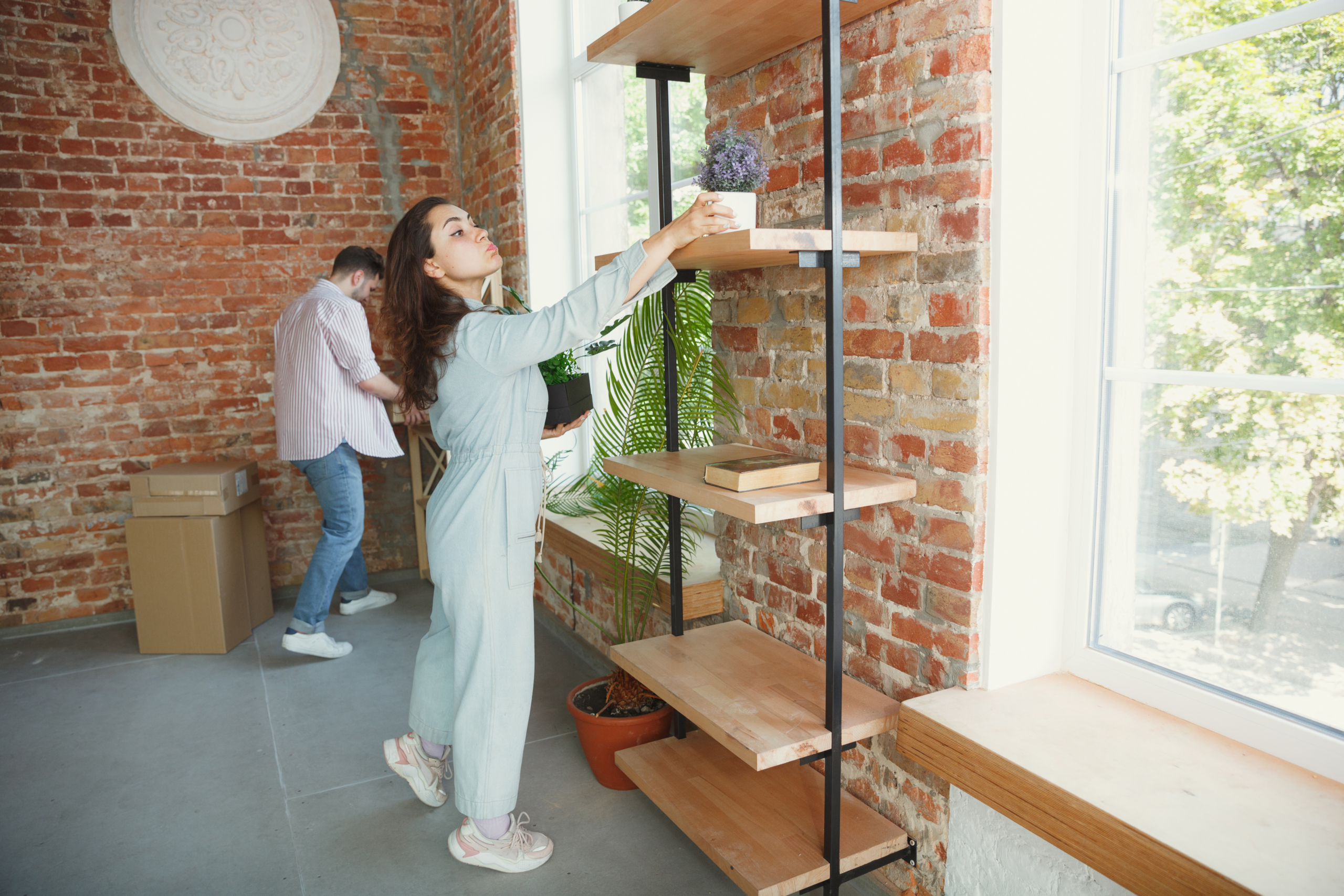
Changing needs often come with more “stuff.” Custom storage solutions like built-ins, floating shelves, and under-stair drawers can help you stay organized without sacrificing style. Think vertically and look for unused corners or wall space to make the most of your layout.
5. Update for Aging in Place
If you’re planning to stay in your home long-term, make smart updates to ensure comfort and safety as you age. Install grab bars in bathrooms, widen doorways, and consider replacing bathtubs with walk-in showers. These changes can be subtle but impactful.
6. Upgrade for Remote Work or Study
Designate a quiet, productive area for working or learning from home. You don’t need a separate room—a corner with good lighting, a comfortable chair, and noise-reducing features can do the trick. Consider soundproofing or adding sliding doors for extra privacy.
7. Improve Energy Efficiency
New needs might mean higher usage—especially with more people at home. Upgrade insulation, switch to energy-efficient appliances, or install smart thermostats to keep utility bills manageable while making your home more sustainable.
8. Enhance Outdoor Living
Turn your patio, balcony, or backyard into an outdoor retreat. With the right design, these areas can serve as extensions of your living space, ideal for dining, entertaining, or relaxing. Add shade structures, lighting, and comfortable furniture to make it usable year-round.
Final Thoughts
Your home should grow with you. By adapting your existing space instead of moving, you not only save money but also preserve the comfort and memories already built within those walls. With a smart remodel, every room can serve a new purpose—and your home can continue to meet your needs for years to come.